
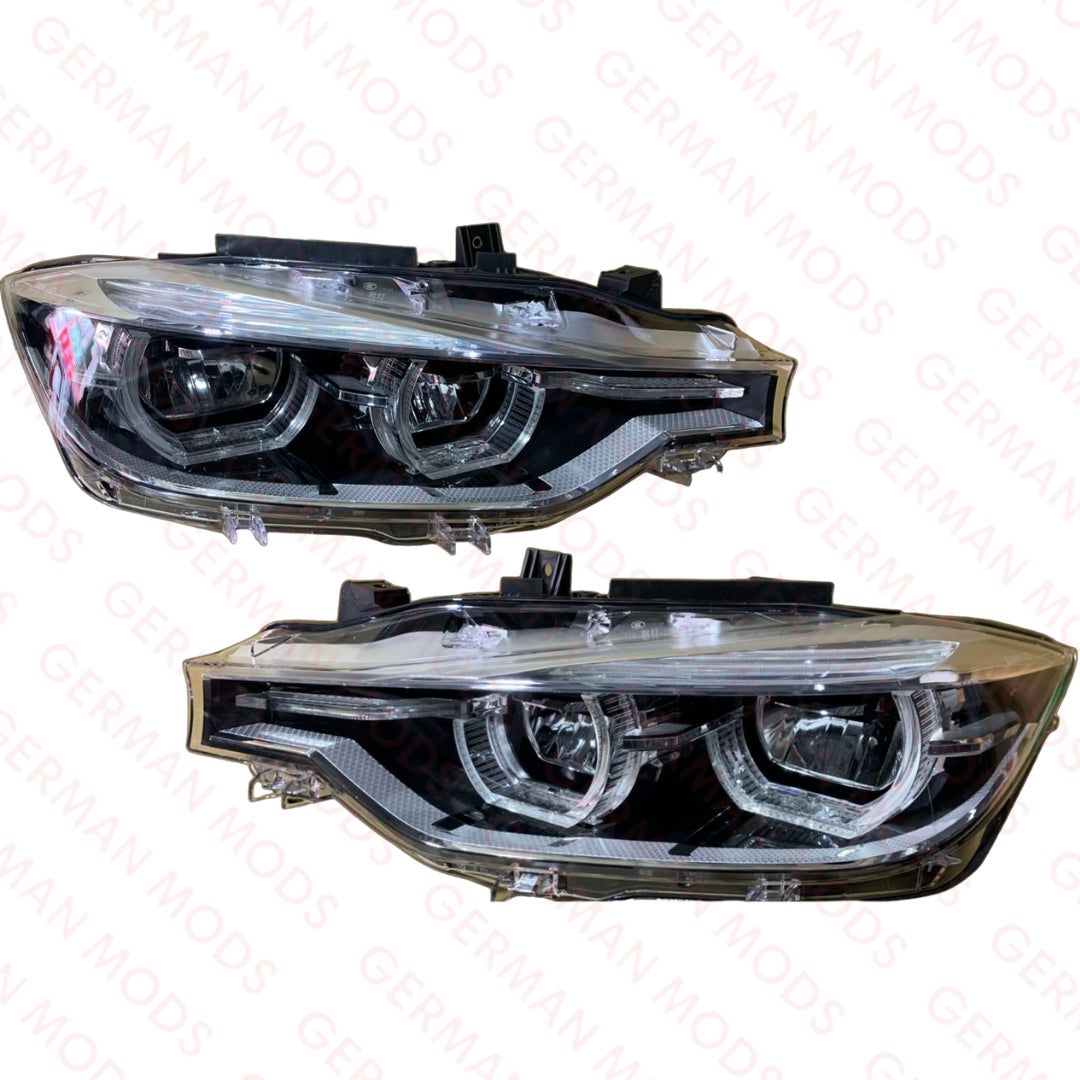
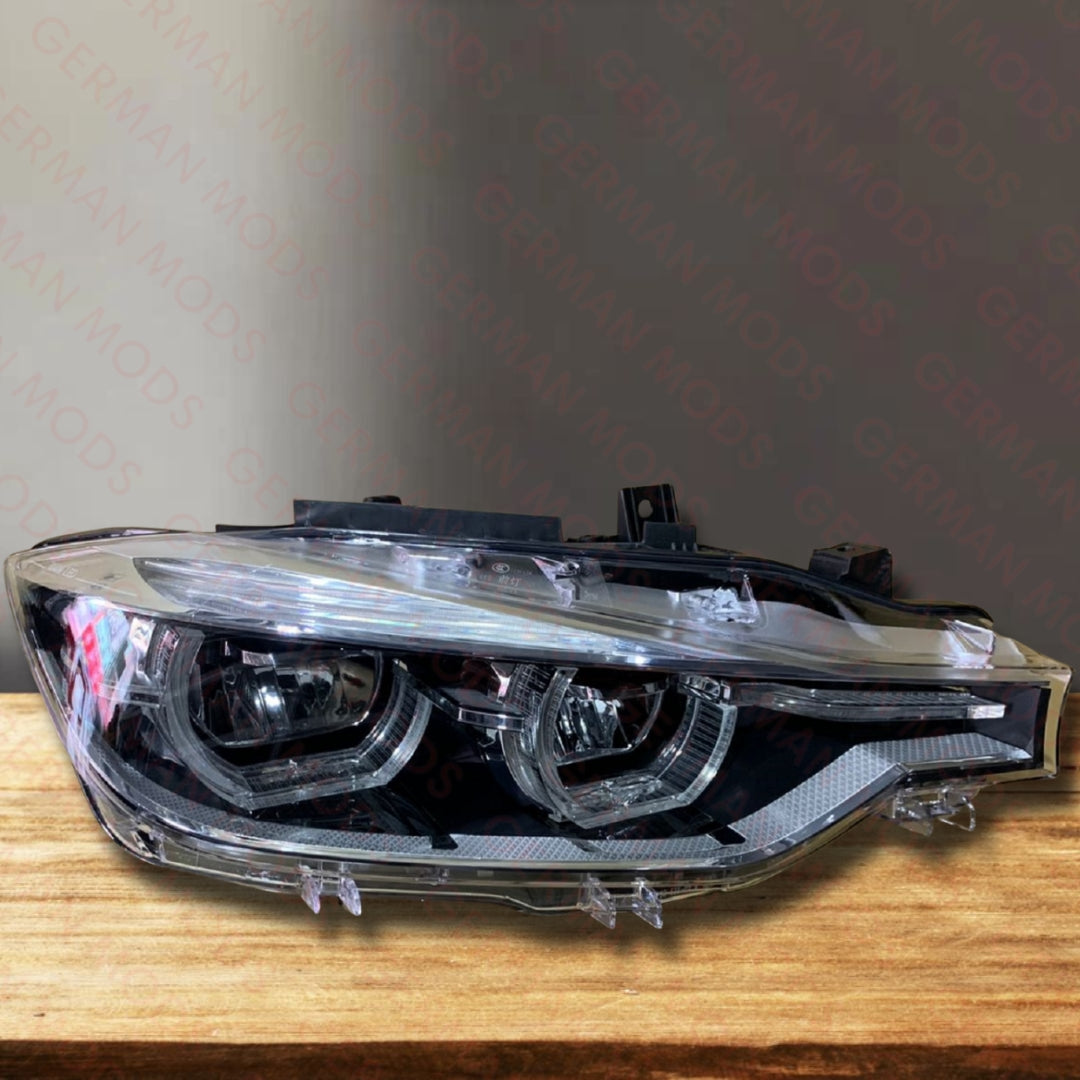


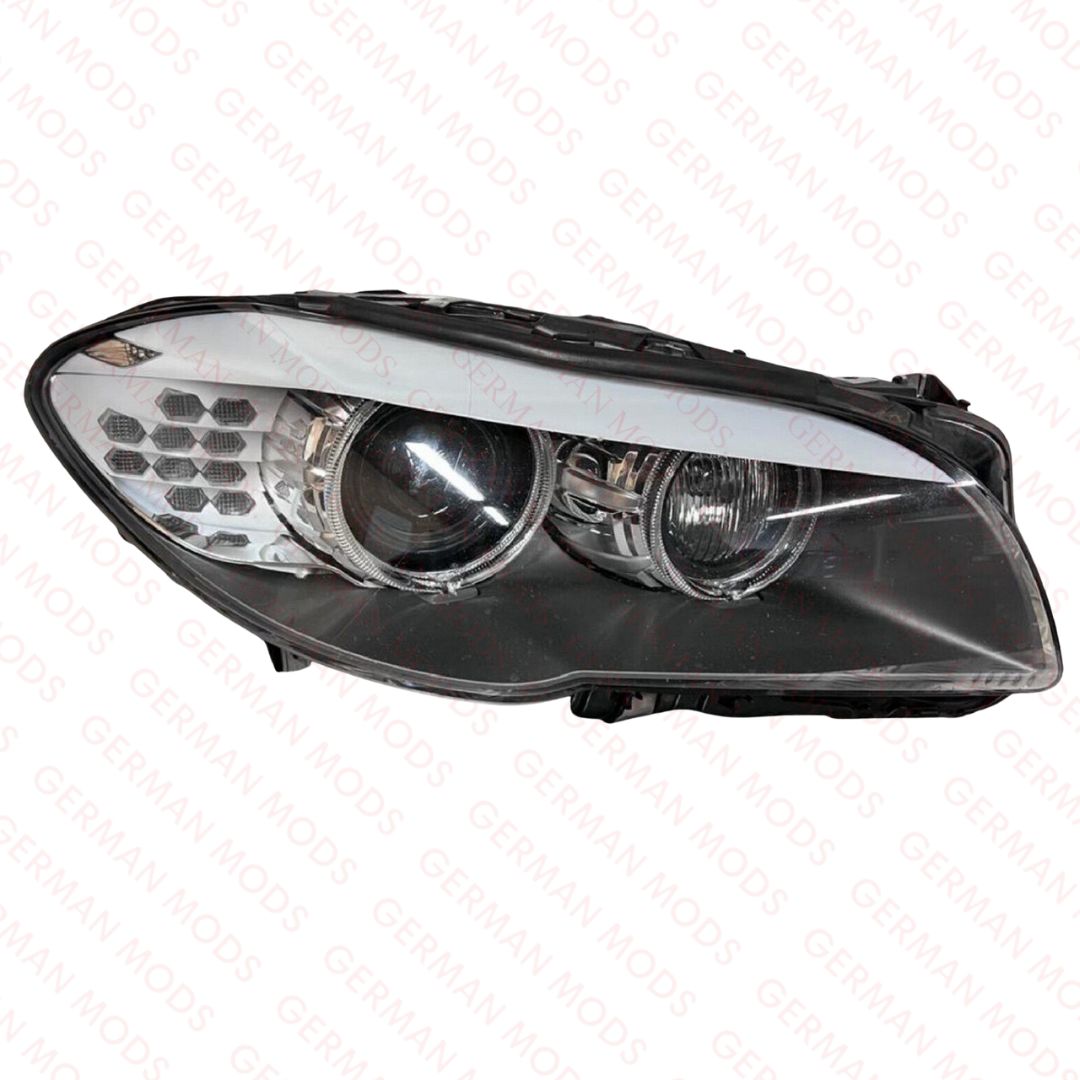
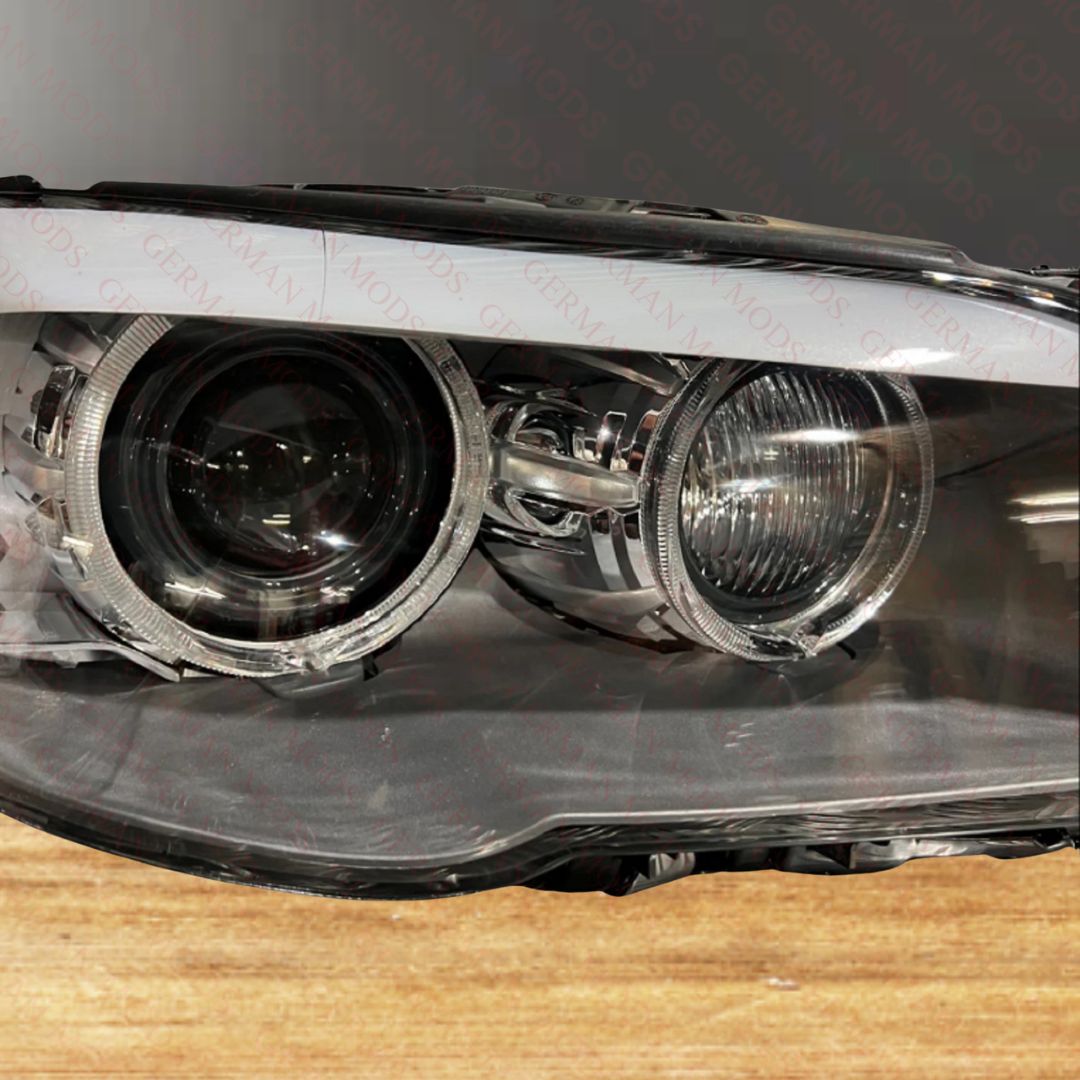
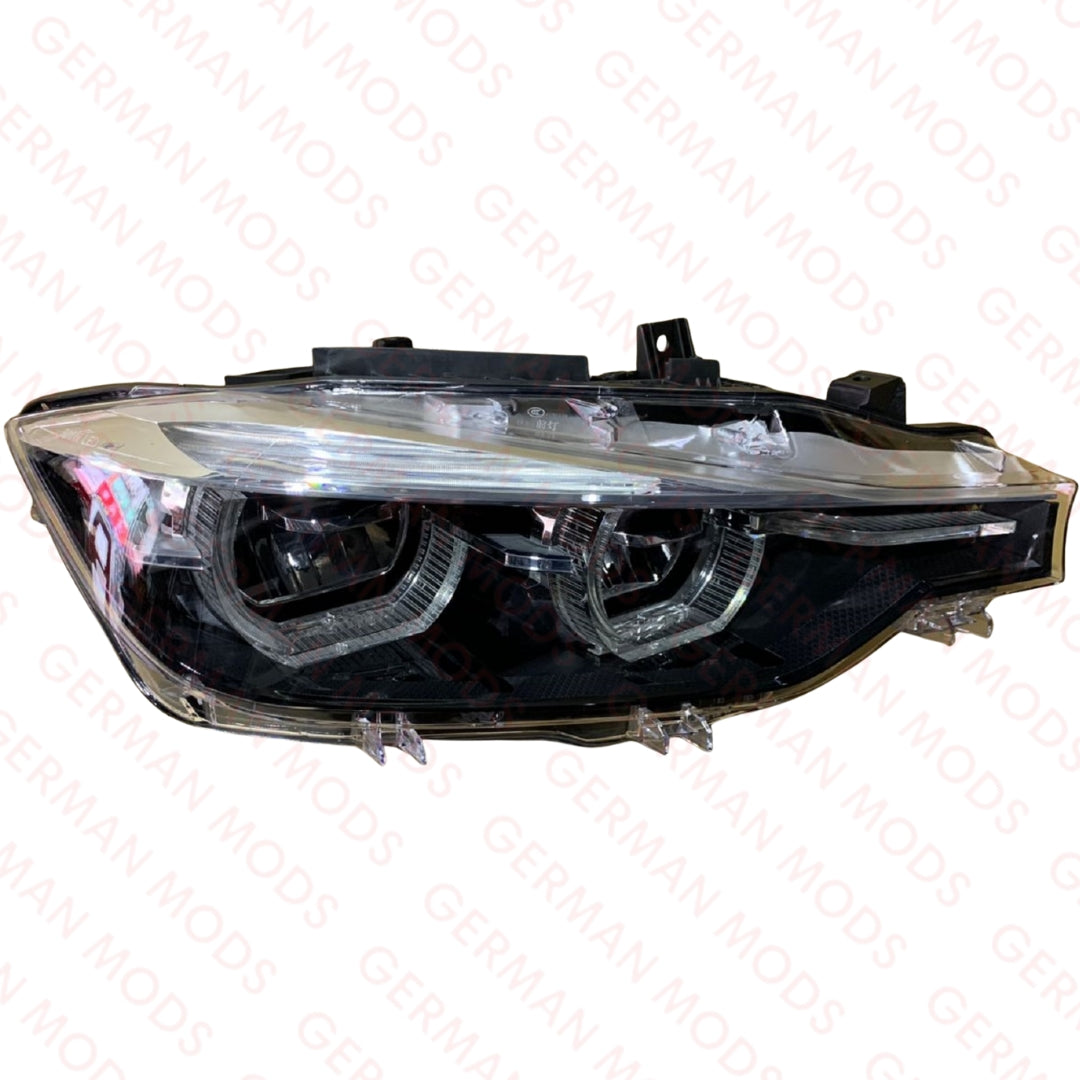
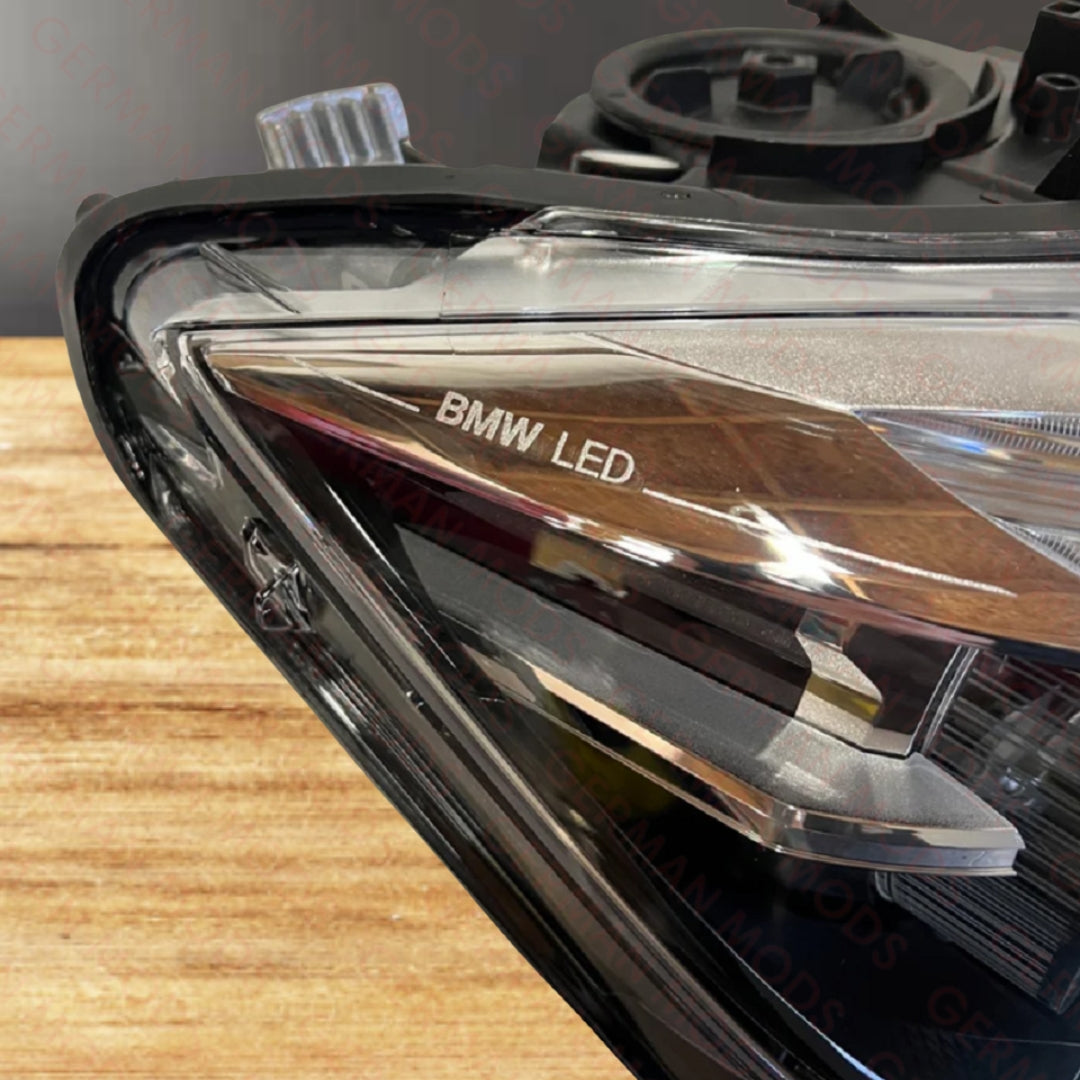


The lighting technology has leaned more towards Matrix LED in the latest developments of BMW models. Such a move has led to significant benefits for enthusiasts, but it has also created an impression that the older headlight systems are becoming outdated. But it does not mean that the owners of pre-LCI and earlier LCI BMWs need to abandon the factory Xenon setups. In such cases, the more practical approach is to improve what is already present with the vehicle. Modern BMW Xenon LED adaptive headlights have the potential to bring significant improvement in illumination, appearance, and adaptive functionality. And all of this can be done without going through the expense and complexity associated with the latest factory lighting technology.
Xenon Has Not Suddenly Become Bad Technology
It is very crucial to differentiate between 'older' and 'obsolete'. Factory Xenon lights might be considered an older version right now, but they were a significant step from traditional halogen lighting. Given the way they produced a powerful and bright beam while offering a unique colour temperature, they helped BMW ensure a premium lighting experience.
Though many people may think that xenon has become ineffective, in reality LED technology has continued to develop over the past few years. It is true that the new BMW models depend on LED systems that can distribute light variably based on the traffic conditions, surroundings, steering input, and other parameters. That does not necessarily mean older Xenon light systems have become useless.
What Makes BMW Xenon LED Adaptive Headlights Different?
With a modern conversion, one can blend the strengths of authentic Xenon architecture with LED technology and additional adaptive functionalities. However, the exact capabilities depend on the particular BMW model and its headlight configuration. Keeping expectations accurate is very important here because one should not interpret 'adaptive' as something that can offer precisely the same functions as the Matrix LED systems.
The broad principle here is that you will be able to improve the light source drastically with more intelligent control than before without replacing the entire car. Hence, it is a more proportionate upgrade for all the owners who like their current BMW, but they feel that its lighting is a bit outdated.
The 90% Argument Is About Real-World Use
It is very easy for one to get puzzled by the specifications when they start comparing lighting systems. No doubt, Matrix LED and Laserlight systems are able to offer impressive technical capabilities, but the truth is that most drivers are not using these headlights in a laboratory. All they want from it is clear visibility, a highly defined beam, adequate illumination around the bends, and a quite modern appearance. A properly designed Xenon LED upgrade can deliver most of the experience that is important for exceptional everyday driving. This is exactly where the argument for keeping Xenon-based BMW models becomes even stronger.
There will hardly be any need for each technological feature available on the latest model if upgraded lighting can provide you with the majority of the practical improvement needed.
Why Replace The Car When You Can Upgrade It?
An earlier LCI or pre-LCI BMW has all the potential to become an excellent car even today. This is because the engine, chassis, interiors, and overall design remain exactly the way owners want. Replacing the vehicle mostly because its lighting technology is a few generations old does not make much sense for many drivers. And a targeted lighting upgrade provides a nice alternative.
Investing a bit in a specific area rather than spending thousands of pounds on a whole new model can also positively affect the overall driving experience. The move becomes particularly important for those enthusiasts who would consider improving the car they enjoy driving rather than replacing it to gain a handful of new features.
Adaptive Lighting Is About More Than Brightness
There is a very common misconception among people, and they relate the process of upgrading headlights mostly to brighter illumination. In reality, brightness alone does not guarantee better lighting. The distribution and shape of the beam are highly important as well. When the beam is poorly controlled, it may create glare for oncoming users. If it is appropriately distributed, it ends up improving visibility without flooding everything with light.
Adaptive lighting is praised so much because it takes that approach further and keeps on adjusting illumination to driving conditions. Depending on the conditions, these systems can change light distribution and direction of the beam and manage to respond to the road ahead.
Replacement Cost Changes The Equation
Another strong argument for choosing these is the cost. The modern factory headlights are pretty expensive, especially the ones that come with complex electronics, control modules, and adaptive functionalities. If such a model fails or gets damaged, replacing the unit becomes a substantial cost.
While an upgrade that has been designed for an existing BMW ends up offering an economical route to modern lighting, paying attention to compatibility and installation requirements still matters.
Pre-LCI and Earlier LCI Owners Have A Lot To Gain
A car can feel new and completely right, but some details associated with styling and other technologies reveal the age of the vehicle. Lighting seems to be one of the most relevant areas in this regard because it is not only highly visible but also connects directly to everyday driving. So, earlier LCI vehicles can benefit from a relevant upgrade for similar reasons.
Instead of treating LCI as the end point of development, owners can easily look at what modern aftermarket technology can deliver to the existing platform. And the goal here is not to make an older BMW model brand-new but to selectively modernise the aspects that make a practical difference.
German Mods Make Perfect Sense For Such Upgrades
Here, the focus lies on helping owners get much more from the vehicles they already own. Looking beyond whether a component can technically fit, it thoroughly considers the way the upgrade should integrate with the particular model as a whole.
BMW will continue to develop new technologies in this area, but one should not view technology as all or nothing. The BMW Xenon LED adaptive headlights are able to offer a practical middle ground which delivers significantly modernised lighting, enhanced visual appeal, and adaptive capability while keeping the expenses under control.
German Mods is here to help people explore relevant lighting upgrades and properly determine what is appropriate for a particular vehicle.