
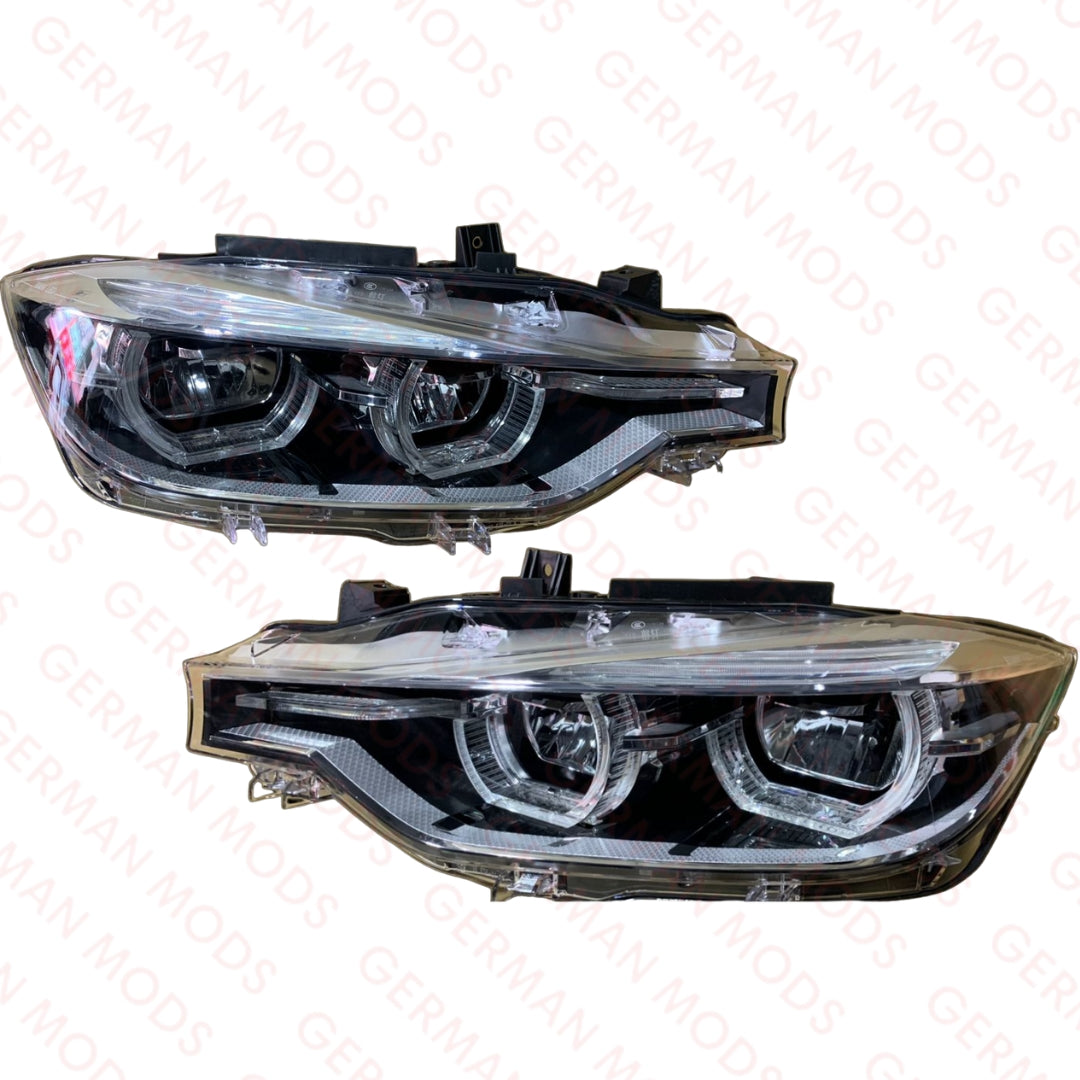
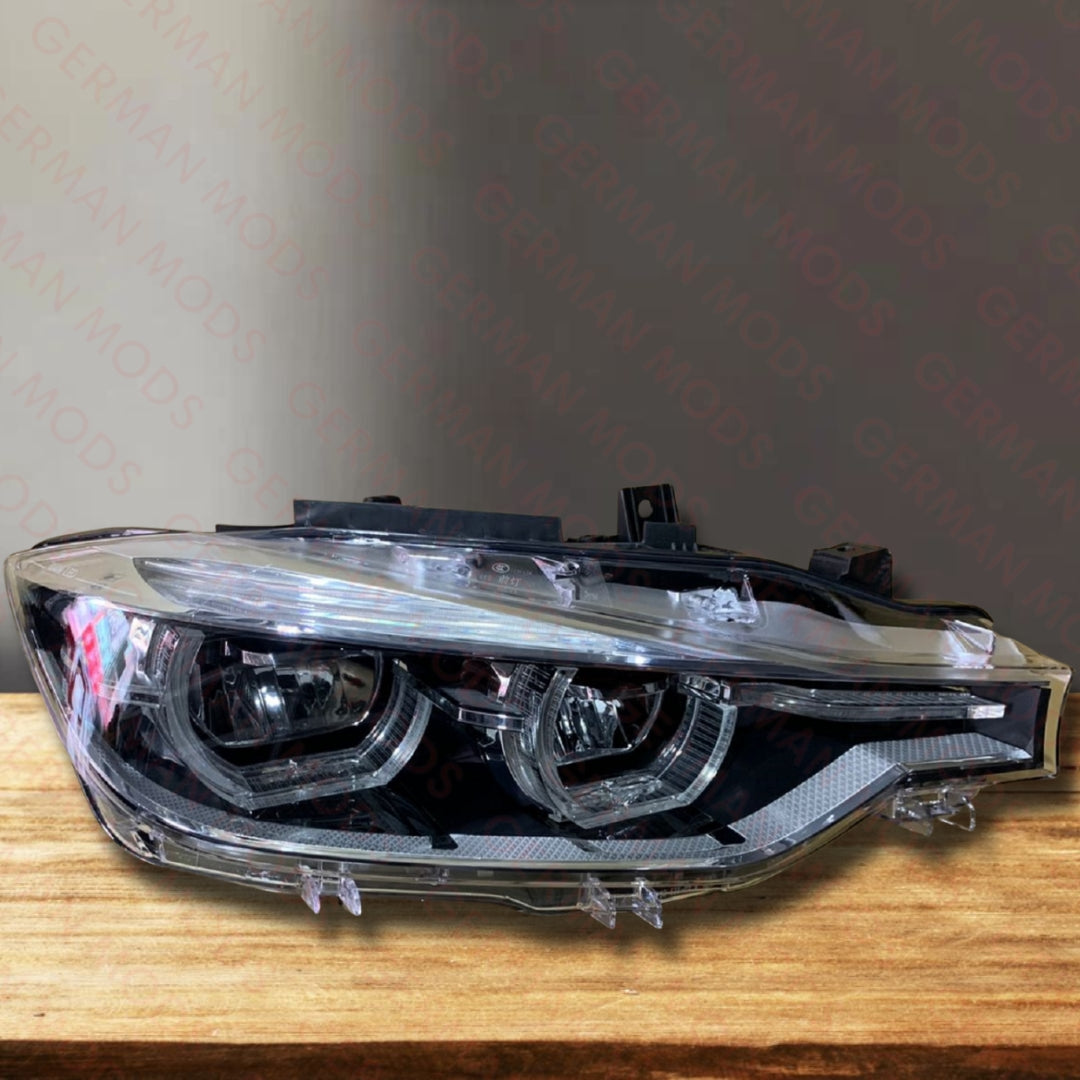


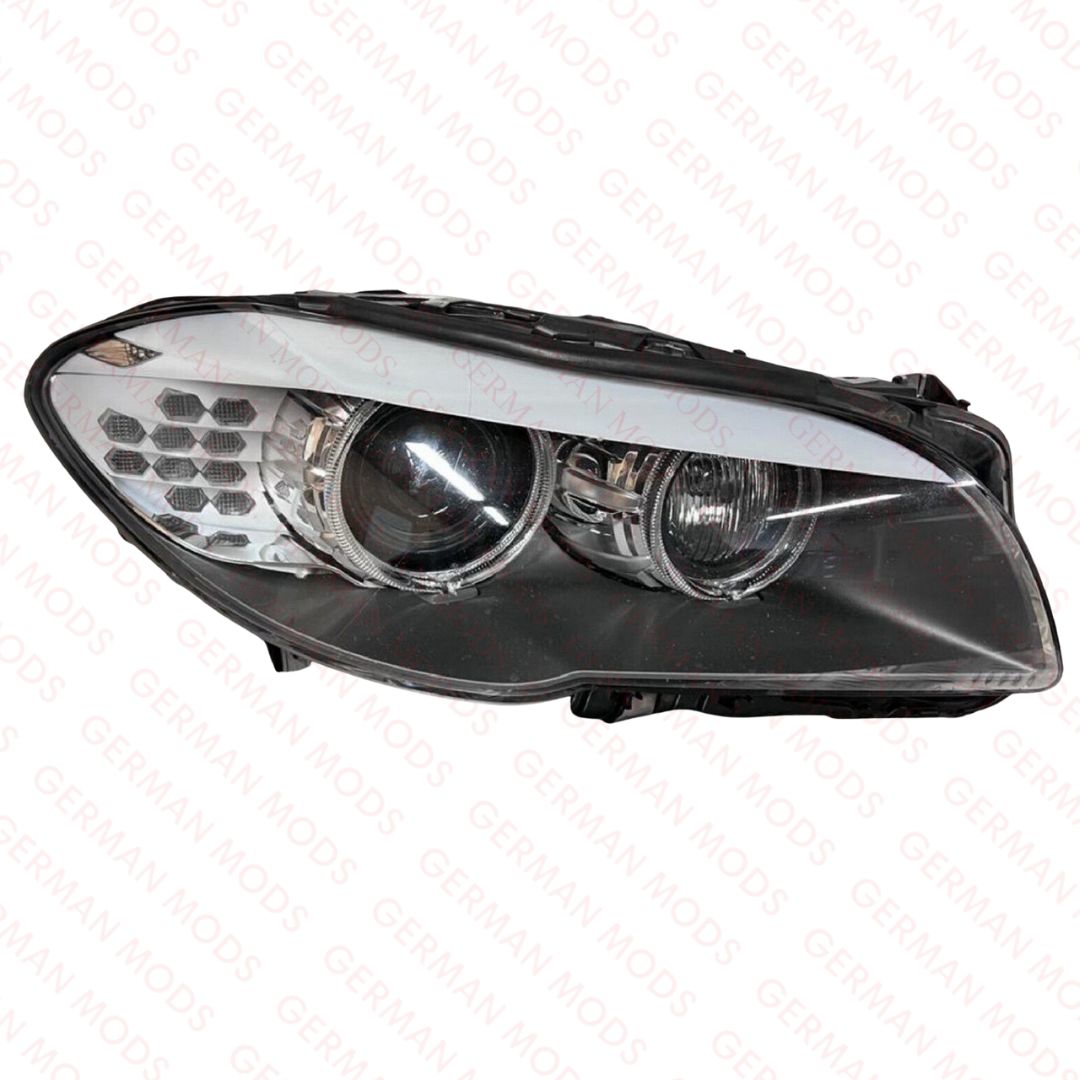
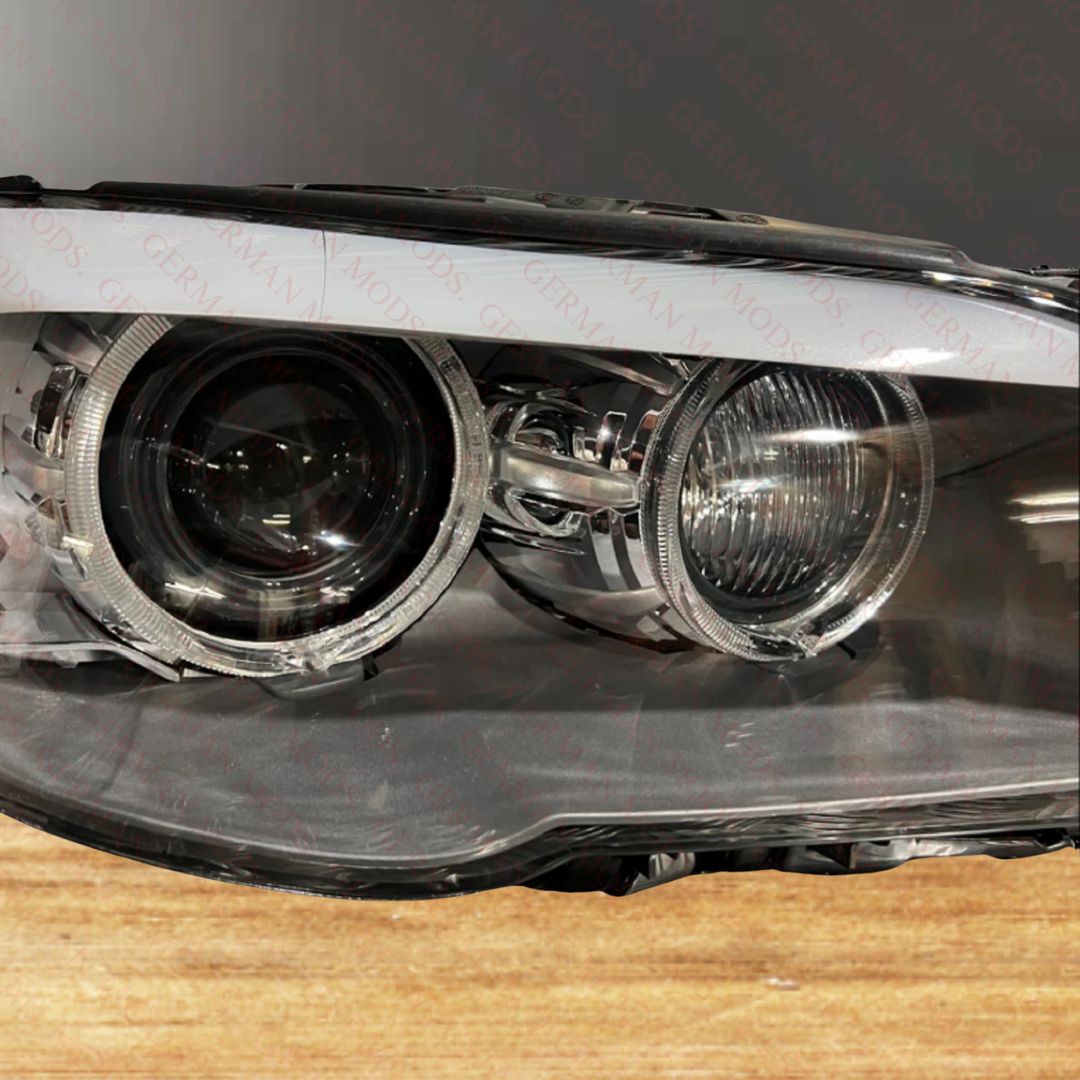
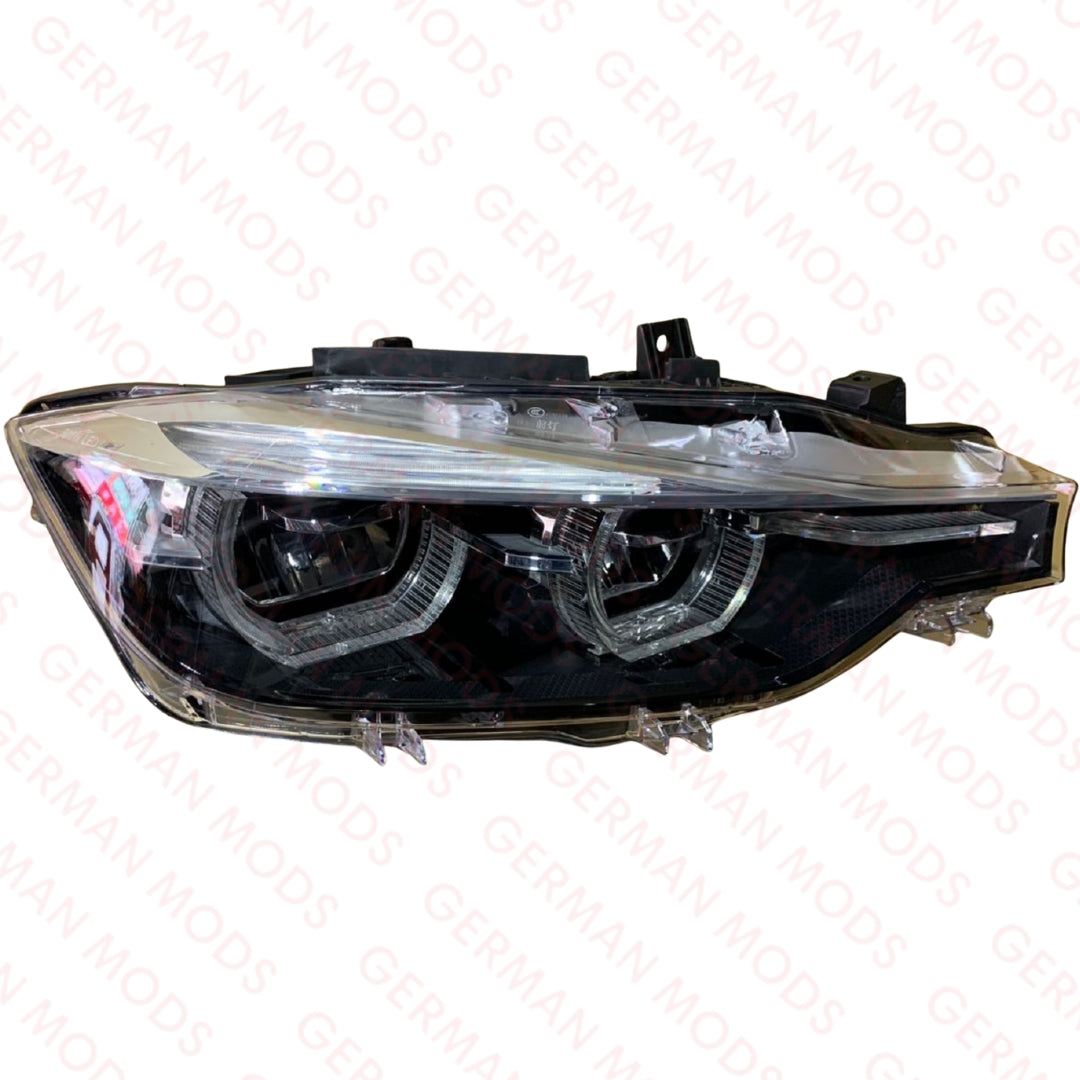
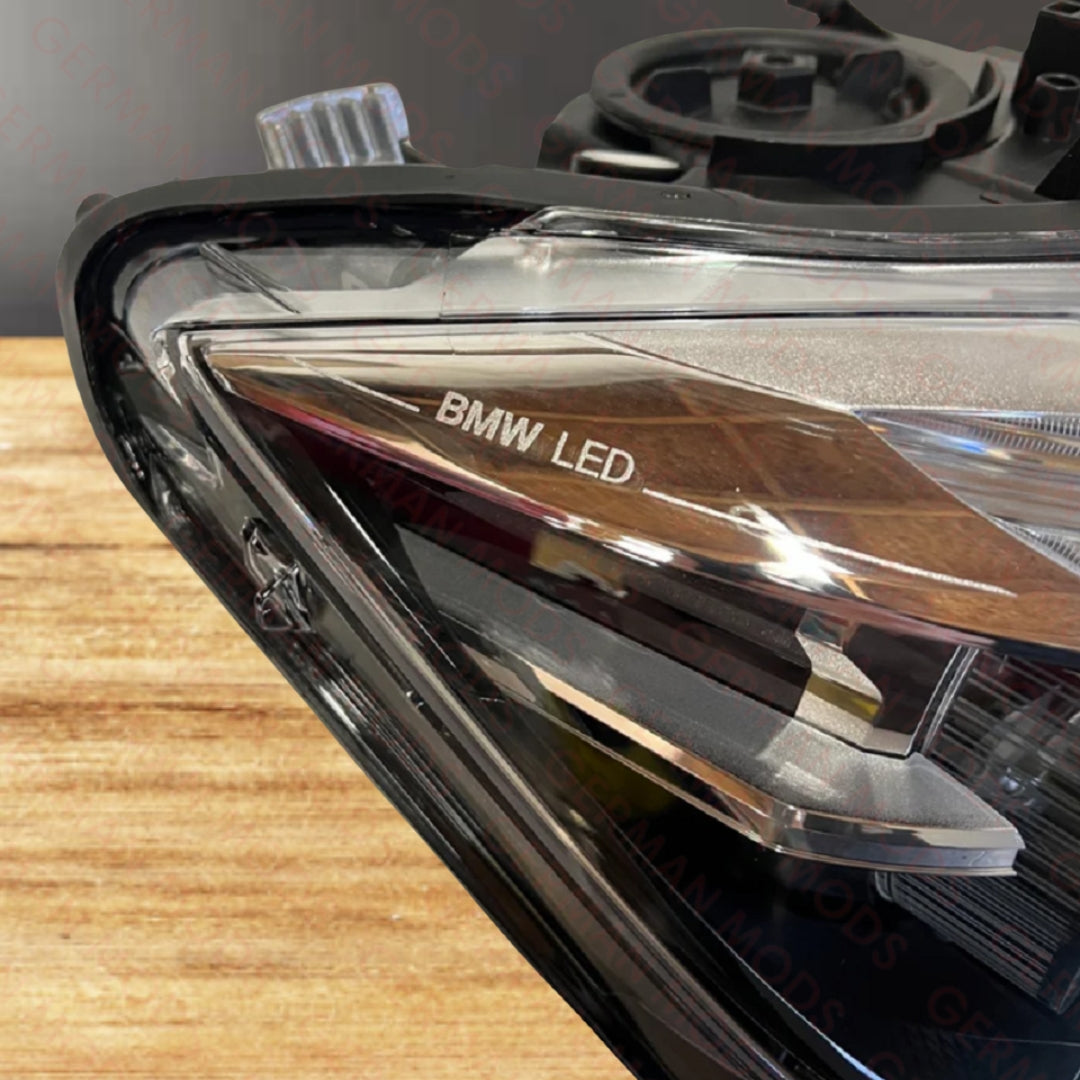


Headlights of a vehicle are so important not only because they provide enhanced illumination in the dark but also because they contribute to the overall visual presence of the vehicle. Even though they play so many roles, when it comes to replacing or upgrading them, people focus on brightness more than other aspects. Part of the reasoning behind it is true, as owners are inclined towards the utility of the headlights based on how bright the beams are, but it is not all. Even if the beam is significantly brighter, if it is not thrown the right way, it can’t really help with visibility properly. This is the reason why qualities like the way light is shaped, where it points, how clean the optics are, and whether the system suits become crucial as well. BMW owners considering the BMW Xenon LED adaptive headlights will find this guide useful, as it covers the details beyond brightness.
Brightness Is Only One Part Of The Equation
In simple terms, brightness is there to define how much light is produced by the lamp. It has not much to do with how much of that light lands on the required area of the road. Even the brightest light will not be of much use if it scatters upwards or sideways. Adequate light alone does not solve the problem, as it can create glare, make it hard to read signs, or not help much while driving in foggy weather.
Glare affects other people as well because the beam simply dazzles oncoming traffic, which leads other drivers to flash back or slow down in front of the vehicle. Enhanced visibility results from putting the required amount of light in the right place.
Beam Distribution Decides What Driver Can See
The use of a dipped beam is defined by its deliberate shape, which is marked by its sharp cut-off line that keeps light below the eye level of oncoming drivers. An engineered projector headlight like the BMW Xenon and LED units achieves such results by ensuring precise optics rather than just increasing raw output.
Another layer of features is added with the help of adaptive systems. Based on the model, these lights can swivel the beam into corners when one steers the car. This feature ensures that the road behind a bend is lit before the driver reaches that point. Though the exact feature varies based on the model, it is of major help, and no amount of brightness can compensate for such a quality.
Alignment: A Beam Becomes Bad Once It Is Pointed The Wrong Way
Many people wonder what can go wrong with a perfectly designed headlight. Such a headlight can lead to a range of issues when it is aimed incorrectly. If it is aimed too high, it can glare oncoming drivers; when aimed too low, it shortens the range of visibility, and one is driving into a dark gap. In addition, alignment can drift away due to improper replacement, suspension work, or while the car is carrying some heavy load.
Impact of Lens Condition And Inside Of the Housing
Even the headlights with the best LEDs or bulbs can fail to perform well because UV exposure can turn plastic lenses yellow or hazy over the years. As a result, light that is produced adequately may scatter or soften the cut-off. The presence of moisture inside the housing, cracks in the lens, or deterioration of the reflector or inner surfaces influences the way light leaves the unit.
In some cases, professional repair can restore the condition of the headlight, while in others replacement or recoding is needed. If the housing is badly damaged, repair might not lead to the desired results. Owners who want to completely restore the authentic functions of their headlight need to go beyond brightness and replace the faulty one with a genuine unit.
Also Read: How To Choose The Right BMW Headlights For Your Model And Year
Properly Matching The Lighting System With The BMW
Headlights function in coordination with several other aspects of the vehicle. Choosing the right option requires one to thoroughly consider all the aspects, like the housing, wiring, control modules, coding-related needs, and whether the model is LCI or pre-LCI.
Specifications matter a lot when it comes to buying BMW Xenon LED adaptive headlights. The right approach is to check the part number against the exact model of the car, decide if the unit needs a module, and if the electronics will support the features of this new headlight.
The retrofit bulbs might seem cheap initially, but one should know that LED or Xenon bulbs can’t be fitted in a housing that has been designed for halogen options, and such modifications are not approved for use. Adding advanced lights in incompatible housings, even with the help of modifications in the hope of better visibility, will create more light, not enhanced visibility.
A Practical Checklist Before Upgrading
Start by checking the condition of the existing unit, including the lens, housings, and other components, to decide if repair is possible or replacement is needed. While exploring options, confirm the vehicle model, production year, and whether it is pre-LCI or LCI. In addition to these details, the part number also needs to be verified, as well as whether the replacement comes with the module or if coding is needed. Those who want a precise appearance should consider replacing both headlights together. After fitting, overall alignment needs to be checked properly.
Focus On Seeing Better, Not Just Brighter
Better night vision results from a combination of controlled light, proper alignment, clear optics, and an overall system that matches the rest of the car. Owners trying to find the right BMW Xenon LED adaptive headlights should consider German Mods, a store featuring a range of options for various luxury brands, including BMW.